

A call sign is like a name for a ship when it talks on the radio. It helps ports, coast guards, and other vessels know who’s speaking at sea.
Every ship sailing under the Cameroon flag must have one. It’s the rule that keeps sea communication safe and clear.
In this guide, I’ll walk you through how ships get their call signs and what papers are needed.
We at CHI Maritime Advisory help shipowners finish the process fast and without mistakes.
Let’s dive in.
What Is a Call Sign?
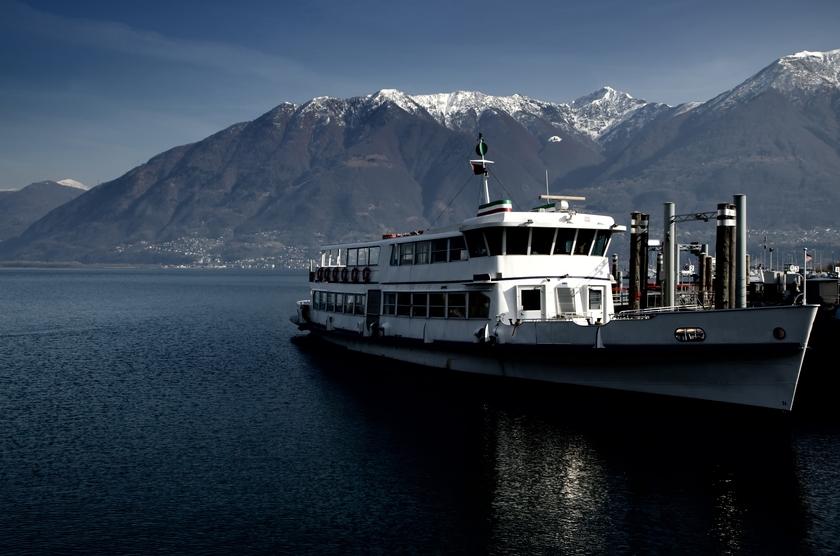
A call sign is a short code made up of letters and numbers that tells others which vessel is sending or receiving a message.
Every ship has its own, and no two are the same.
When a message goes out, the call sign makes sure there’s no mix-up about who’s speaking.
This is how ports, coast guards, and other vessels keep track of each ship during communication.
Under the Cameroon flag, every registered vessel must have a call sign. It ties your ship to its official record and confirms it’s operating legally.
Without it, your vessel can’t be properly identified or approved for radio communication.
Why Every Vessel Needs a Call Sign
Every ship needs a call sign because the law says so. The Cameroon Maritime Office and IMO make sure ships have one before sailing.
It’s part of the rules that keep ships safe and easy to track. No call sign, no legal voyage.
It also helps when ships talk to ports or coast guards. The call sign tells them who you are, so they don’t mix you up with another vessel.
That small code keeps communication clear when everyone’s using the same radio space.
It’s also how authorities know which ship belongs to who. When something goes wrong at sea, they use that code to trace the owner fast.
That keeps ships honest and helps avoid confusion on the waves.
And lastly, it keeps the radio from turning into a noisy mess.
Without unique call signs, signals could overlap or crash.
The call sign keeps the sea airwaves neat, safe, and easy to understand.
Authorities Responsible for Call Sign Issuance in Cameroon
Here are the main people in charge of giving ships their call signs in Cameroon:
- Ministry of Transport / Maritime Administration: These are the main folks in charge. They make sure every ship flying Cameroon’s flag gets the right call sign and stays within the law.
- ANTIC (National Agency for Information and Communication Technologies): These are the signal people. They handle the radio part and make sure your ship’s frequency doesn’t clash with others.
- CHI Maritime Advisory: This is where we come in. We talk to the right offices, fill the papers, and get everything done fast and right so shipowners don’t get stuck in delays.
Eligibility for Call Sign Registration

Not every ship can just walk in and ask for a call sign. It’s given to vessels that are officially recognized by Cameroon’s maritime system.
Here’s a breakdown of which ships are allowed and why it matters for them.
1. Vessels Registered Under the Cameroon Flag
If a ship is officially flying Cameroon’s flag, that means it’s recognized by the country as one of its own. Those ships must get a call sign from the Cameroon Maritime Administration.
It’s like when you carry your country’s passport because it shows where you belong.
The call sign works the same way at sea, identifying your vessel as “Cameroon-based.”
2. Foreign-Owned Vessels Managed or Operated in Cameroon
Now, let’s say the ship isn’t fully Cameroonian. Maybe it’s owned by someone abroad but runs its operations in Cameroon. That ship still needs to play by Cameroon’s maritime rules.
So it can apply for a call sign here, as long as the management or operation happens within Cameroon’s waters.
This ensures that even foreign ships stay on the right frequency and follow local communication laws.
3. Fishing, Commercial, Offshore, and Private Ships Using Radio Equipment
Finally, any ship that has radio gear (and this applies to small fishing boats, big oil rigs, or private yachts) must register for a call sign.
Why? Because once you start sending or receiving messages at sea, you’re using official communication channels.
A registered call sign keeps you traceable, avoids signal mix-ups, and helps in emergencies. Even the smallest radio-equipped vessel counts.
Documents Required for Call Sign Application
You can’t get a call sign without showing the right papers.
These documents tell the maritime authority that your vessel is real, safe, and allowed to communicate.
Here’s what you’ll need:
- Vessel Registration Certificate: This shows that your ship is officially registered under the Cameroon flag. It’s like your ship’s birth certificate, proof that it’s recognized by the country.
- Ship Radio Station License (if applicable): If your vessel already has radio gear onboard, this license tells the authorities which frequencies you’re allowed to use. It’s like saying, “Hey, I’m allowed to talk on this channel.”
- Proof of Ownership or Management Agreement: This confirms who owns or manages the vessel. The government needs to know who’s responsible if something happens.
- Crew List and Master’s Information: The master here means the captain, not some fancy boss. You’ll list the crew members and captain’s details so the authorities know who’s running the ship.
- Application Form from Maritime Authority: This is the official form you’ll fill out to apply for your call sign. No skipping this because it’s what starts the whole process.
- Letter of Request via Licensed Maritime Agent: You can’t just walk in yourself. You need to go through a recognized maritime agent like CHI Maritime Advisory. They write a formal letter to the authority asking for your call sign on your behalf.
These papers help the government confirm who you are, what ship you have, who’s running it, and that you’re doing things the right way.
Once that’s clear, your ship gets its unique radio identity, your call sign.
Step-by-Step Process to Obtain a Call Sign in Cameroon
Follow these steps and you will avoid delays.
Prepare all documents
Gather your vessel registration, ownership papers, crew list, radio license if any, and the application form. Check every paper for correct names, dates, and signatures. Missing items slow everything down.
Submit through a licensed maritime consultant or lawyer
Take the full file to a licensed agent like CHI Maritime Advisory or your maritime lawyer. They know the forms and where to send them. This makes the start smooth and official.
Verification by the Maritime Administration
The Maritime Administration checks the papers and confirms your vessel is registered and legitimate. They may ask for extra documents or clarifications. Give them what they need quickly to keep things moving.
Frequency assignment and approval
ANTIC or the radio authority assigns the right frequency and checks there is no interference. This step makes sure your ship can use the radio without clashing with others. Approval here is needed before the call sign is issued.
Issuance of official Call Sign Certificate
Once checks are complete, the Maritime Administration issues the call sign certificate in your vessel’s name. This certificate shows your ship’s official radio identity. Keep the certificate safe for inspections and operations.
Delivery or collection by applicant or agent
You or your agent collect the certificate or receive a digital copy. Make copies and store them where the master can access them at sea. Now your ship can talk on the radio and operate without radio or legal problems.
Mistakes to Avoid in Obtaining a Call Sign in Cameroon
Even simple mistakes can delay your call sign approval or get your application rejected. Here’s what to look out for:
- Submitting incomplete or expired documents
Many shipowners forget to attach valid registration papers or send old copies. Always double-check expiry dates and make sure every form is signed and stamped before submission. - Applying without authorized representation
Trying to apply directly often leads to back-and-forth with the authorities. Using a licensed agent like CHI Maritime Advisory ensures the process goes through the right channels with no missing steps. - Incorrect radio frequency details
Some vessels enter wrong radio information or skip the radio license entirely. This causes delays since the communication authority must verify or reassign the correct frequency. - Delays caused by missing vessel data
Incomplete details like engine type, tonnage, or flag registration slow the verification process. Always confirm all vessel information matches your registration certificate. - Not renewing or updating call sign after reflagging or ownership change
When a ship changes ownership or flag, the call sign must be renewed. Failing to do so can make your radio operations illegal or cause confusion during inspections.
Keep these points in mind. They’ll save you from extra paperwork, delays, and unnecessary fines.
How CHI Maritime Advisory Simplifies the Process

Getting a call sign can look simple on paper, but one missing step can delay everything. That’s where CHI Maritime Advisory makes life easier for shipowners.
We help you from start to finish:
- We go through every document to be sure nothing is missing before it’s sent.
- We talk directly with the Cameroon Maritime Administration so your file moves fast.
- We check every legal and technical detail to keep your vessel fully compliant.
- We keep track of your application until the certificate is ready and safely delivered.
- We also help with renewals, corrections, or reissues when your vessel’s status changes.
With us, you don’t stress over paperwork or slow approvals, and your vessel stays active and certified.
Why Timely Call Sign Registration Matters
Getting your call sign on time is more important than most shipowners realize. Without it, your vessel can’t communicate properly with ports or coastal stations, which puts safety and operations at risk.
A timely call sign helps you:
- Avoid sudden radio silence or confusion during voyages.
- Stay clear of fines or detentions during inspections.
- Keep your ship recognized and insured for international movement.
- Maintain your vessel’s legal identity across every operation.
When the call sign is sorted early, your ship stays active, safe, and trusted everywhere it sails.
To Wrap It Up
A call sign is your vessel’s verified voice at sea. It proves your ship is registered, traceable, and ready for safe communication anywhere.
CHI Maritime Advisory makes sure every application is handled quickly, correctly, and fully compliant with Cameroon’s maritime rules so your vessel stays active and approved without delay.